
How to Increase Cinnamaldehyde Purity through Cinnamon Oil Refining Process
2026-06-26
How to Increase Cinnamaldehyde Purity through Cinnamon Oil Refining Process
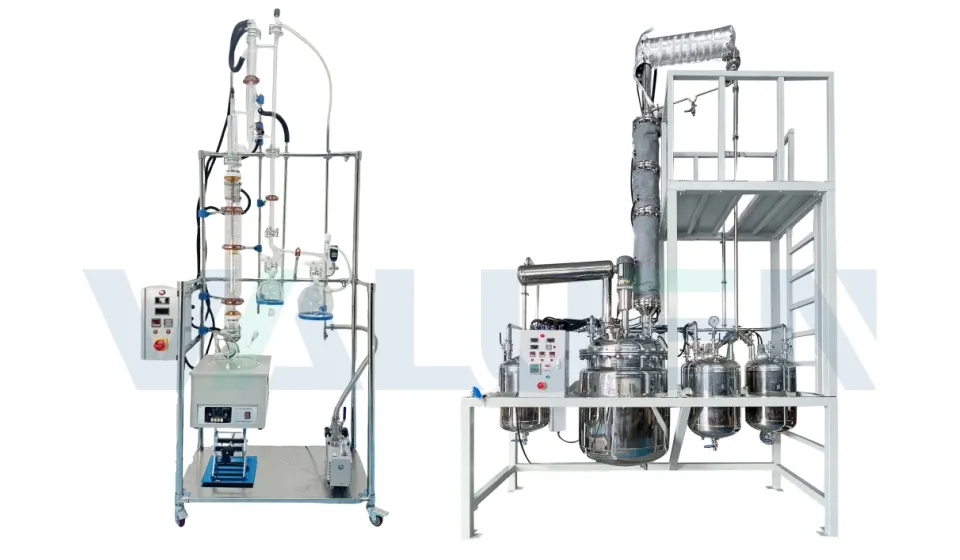
Cinnamon oil ranks among the most prized natural essential oils available today. Its principal bioactive component, cinnamaldehyde, typically constitutes 70–88% of the oil and is responsible for its distinctive flavour, aroma, and wide-ranging health benefits—including antimicrobial, antifungal, and antioxidant activities. As market demand rises for higher purity cinnamaldehyde in pharmaceutical, food, and personal care products, advanced fractional distillation equipment has become indispensable for refiners.
For producers aiming to upgrade crude cinnamon oil and reach cinnamaldehyde purities of 99% or beyond, selecting the appropriate distillation system is a strategic decision. This article examines the cinnamon oil refining workflow, the role of stainless steel fractional distillation equipment, and practical strategies to optimise both purity and recovery yields.
Why Refine Cinnamon Oil?
Raw cinnamon oil is a complex blend of numerous compounds. Apart from cinnamaldehyde, it contains benzaldehyde, coumarin, salicylaldehyde, cinnamyl acetate, and other minor constituents. While each of these components holds commercial value, isolating them cleanly demands precise separation techniques.
Refined cinnamaldehyde products command premium prices, especially when purity surpasses 98%. Research has shown that achieving cinnamaldehyde purity of 99% with recovery rates exceeding 86% is attainable via batch vacuum rectification. The global cinnamon trade continues to expand, with China alone exporting over USD 24 million worth annually—accounting for 20.5% of the world market. This growth presents a clear opportunity for producers who invest in modern cinnamon oil distillation equipment.
The Science of Cinnamon Oil Purification
Why Fractional Distillation?
Fractional distillation is the preferred approach for cinnamon oil purification because it exploits differences in boiling points among the oil’s constituents. However, many aroma compounds in cinnamon oil are thermally labile and degrade under excessive heat. That is why vacuum fractional distillation is crucial—lowering the system pressure reduces boiling temperatures, thereby preserving the natural integrity of the product.
Studies on batch rectification columns for cinnamon essential oil have identified optimal separation conditions for key fractions:
-
Benzaldehyde (99% purity): 124°C at 0.2 atm
-
Trans cinnamaldehyde (99% purity): 190.5°C under vacuum
-
Methoxy cinnamaldehyde (99% purity): 220°C
These precise temperature pressure relationships underscore the need for fractional distillation equipment equipped with reliable control systems.
Batch vs. Continuous Distillation
Batch distillation offers several distinct advantages for essential oil fractionation:
-
Flexibility to recover multiple product cuts from a single column
-
Adjustable operating parameters to accommodate varying feed compositions
-
Wide applicability for small batch production of perfumes, pharmaceuticals, and fine chemicals
On the other hand, batch processes involve longer residence times, which can raise the risk of thermal degradation. Operating under vacuum largely counteracts this concern. Packed distillation columns are generally favoured over tray columns because they minimise pressure drop, enabling even lower operating temperatures and better protection of heat sensitive compounds.
How to Increase Cinnamaldehyde Purity
Raising cinnamaldehyde purity to high levels requires careful control of several key process variables:
1. Operating Temperature and Pressure
The separation temperature for 99 wt% cinnamaldehyde is approximately 190.5°C under vacuum. Vacuum operation is non negotiable—it not only prevents thermal breakdown but also facilitates effective separation from lighter fractions (such as benzaldehyde) and heavier congeners (such as methoxy cinnamaldehyde).
2. Reflux Ratio Optimisation
Reflux ratio has a direct impact on separation efficiency. For batch distillation of cinnamon oil, a reflux ratio of 2:1 has proven effective in vacuum processes, delivering product purity of 98.66% and a yield of 84.68%. While higher reflux ratios can boost purity, they also lower throughput—finding the optimal balance is therefore essential for commercial viability.
3. Column Configuration
The number of theoretical plates in the distillation column governs its separating power. For similar essential oil systems, studies recommend:
-
7 stages for solvent removal
-
11 stages for final product separation
Packed columns with stainless steel or glass internals can be configured to achieve the required plate count. Our stainless steel fractional distillation equipment is available with column heights of 1m, 1.5m, or 2m, allowing customisation to meet diverse separation challenges.
4. Feed Composition Management
Crude cinnamon oil typically contains 70–88% cinnamaldehyde. Feed composition influences overall separation efficiency. Pretreatment steps—such as steam distillation or molecular distillation—can raise the initial cinnamaldehyde concentration before the final fractionation, thereby improving overall performance.
Equipment Features for Optimal Cinnamon Oil Distillation
When choosing cinnamon oil distillation equipment, the following features are particularly important:
Stainless Steel Construction
Stainless steel offers outstanding corrosion resistance, mechanical durability, and ease of cleaning—all critical factors in essential oil production where product purity is paramount. Our equipment is purpose built for the demanding conditions of essential oil fractionation.
Flexible Column Design
The ability to adjust column height and packing type allows processors to tailor the unit to specific separation tasks. Whether the goal is to remove light aldehydes or separate heavier compounds, a flexible column configuration ensures optimal results.
Vacuum Capability
Reliable vacuum performance is essential for processing heat sensitive oils. Our systems are engineered for stable vacuum operation, enabling precise temperature control and safeguarding product quality.
Scalability
From laboratory scale 10 L units to industrial batches of 1000 kg or more, stainless steel fractional distillation equipment can be scaled to match production requirements at any stage of growth.
Case Study: Achieving 99% Cinnamaldehyde Purity
Recent research validated a batch rectification column model for cinnamon oil fractionation, with notable findings:
-
Four product fractions were successfully recovered from a single batch
-
Trans cinnamaldehyde purity reached 96.3% in experimental runs (with 1% deviation)
-
Process modelling predicted conditions for 99 wt% purity with 86% recovery for cinnamaldehyde
-
The model was successfully scaled up to 1000 kg/batch operations
These results confirm that commercial scale cinnamaldehyde extraction is entirely feasible with properly designed fractional distillation systems.
Conclusion
The demand for high purity cinnamaldehyde continues to rise across pharmaceutical, food, and cosmetic sectors. Producers who invest in state of the art fractional distillation equipment can meet this demand by optimising operating parameters—vacuum levels, temperature profiles, reflux ratios, and column configurations—to achieve purities of 99% or higher while maximising yield.
Our stainless steel fractional distillation equipment is specifically engineered for essential oil applications, including cinnamon oil purification. With customisable column heights, premium packing materials, and dependable vacuum performance, our systems help refiners deliver superior product quality and consistent output.
Contact us today to discuss your cinnamon oil refining needs and learn how our fractional distillation equipment can elevate your production capabilities.
How to Increase Cinnamaldehyde Purity through Cinnamon Oil Refining Process
Cinnamon oil ranks among the most prized natural essential oils available today. Its principal bioactive component, cinnamaldehyde, typically constitutes 70–88% of the oil and is responsible for its distinctive flavour, aroma, and wide-ranging health benefits—including antimicrobial, antifungal, and antioxidant activities. As market demand rises for higher purity cinnamaldehyde in pharmaceutical, food, and personal care products, advanced fractional distillation equipment has become indispensable for refiners.
For producers aiming to upgrade crude cinnamon oil and reach cinnamaldehyde purities of 99% or beyond, selecting the appropriate distillation system is a strategic decision. This article examines the cinnamon oil refining workflow, the role of stainless steel fractional distillation equipment, and practical strategies to optimise both purity and recovery yields.
Why Refine Cinnamon Oil?
Raw cinnamon oil is a complex blend of numerous compounds. Apart from cinnamaldehyde, it contains benzaldehyde, coumarin, salicylaldehyde, cinnamyl acetate, and other minor constituents. While each of these components holds commercial value, isolating them cleanly demands precise separation techniques.
Refined cinnamaldehyde products command premium prices, especially when purity surpasses 98%. Research has shown that achieving cinnamaldehyde purity of 99% with recovery rates exceeding 86% is attainable via batch vacuum rectification. The global cinnamon trade continues to expand, with China alone exporting over USD 24 million worth annually—accounting for 20.5% of the world market. This growth presents a clear opportunity for producers who invest in modern cinnamon oil distillation equipment.
The Science of Cinnamon Oil Purification
Why Fractional Distillation?
Fractional distillation is the preferred approach for cinnamon oil purification because it exploits differences in boiling points among the oil’s constituents. However, many aroma compounds in cinnamon oil are thermally labile and degrade under excessive heat. That is why vacuum fractional distillation is crucial—lowering the system pressure reduces boiling temperatures, thereby preserving the natural integrity of the product.
Studies on batch rectification columns for cinnamon essential oil have identified optimal separation conditions for key fractions:
-
Benzaldehyde (99% purity): 124°C at 0.2 atm
-
Trans cinnamaldehyde (99% purity): 190.5°C under vacuum
-
Methoxy cinnamaldehyde (99% purity): 220°C
These precise temperature pressure relationships underscore the need for fractional distillation equipment equipped with reliable control systems.
Batch vs. Continuous Distillation
Batch distillation offers several distinct advantages for essential oil fractionation:
-
Flexibility to recover multiple product cuts from a single column
-
Adjustable operating parameters to accommodate varying feed compositions
-
Wide applicability for small batch production of perfumes, pharmaceuticals, and fine chemicals
On the other hand, batch processes involve longer residence times, which can raise the risk of thermal degradation. Operating under vacuum largely counteracts this concern. Packed distillation columns are generally favoured over tray columns because they minimise pressure drop, enabling even lower operating temperatures and better protection of heat sensitive compounds.
How to Increase Cinnamaldehyde Purity
Raising cinnamaldehyde purity to high levels requires careful control of several key process variables:
1. Operating Temperature and Pressure
The separation temperature for 99 wt% cinnamaldehyde is approximately 190.5°C under vacuum. Vacuum operation is non negotiable—it not only prevents thermal breakdown but also facilitates effective separation from lighter fractions (such as benzaldehyde) and heavier congeners (such as methoxy cinnamaldehyde).
2. Reflux Ratio Optimisation
Reflux ratio has a direct impact on separation efficiency. For batch distillation of cinnamon oil, a reflux ratio of 2:1 has proven effective in vacuum processes, delivering product purity of 98.66% and a yield of 84.68%. While higher reflux ratios can boost purity, they also lower throughput—finding the optimal balance is therefore essential for commercial viability.
3. Column Configuration
The number of theoretical plates in the distillation column governs its separating power. For similar essential oil systems, studies recommend:
-
7 stages for solvent removal
-
11 stages for final product separation
Packed columns with stainless steel or glass internals can be configured to achieve the required plate count. Our stainless steel fractional distillation equipment is available with column heights of 1m, 1.5m, or 2m, allowing customisation to meet diverse separation challenges.
4. Feed Composition Management
Crude cinnamon oil typically contains 70–88% cinnamaldehyde. Feed composition influences overall separation efficiency. Pretreatment steps—such as steam distillation or molecular distillation—can raise the initial cinnamaldehyde concentration before the final fractionation, thereby improving overall performance.
Equipment Features for Optimal Cinnamon Oil Distillation
When choosing cinnamon oil distillation equipment, the following features are particularly important:
Stainless Steel Construction
Stainless steel offers outstanding corrosion resistance, mechanical durability, and ease of cleaning—all critical factors in essential oil production where product purity is paramount. Our equipment is purpose built for the demanding conditions of essential oil fractionation.
Flexible Column Design
The ability to adjust column height and packing type allows processors to tailor the unit to specific separation tasks. Whether the goal is to remove light aldehydes or separate heavier compounds, a flexible column configuration ensures optimal results.
Vacuum Capability
Reliable vacuum performance is essential for processing heat sensitive oils. Our systems are engineered for stable vacuum operation, enabling precise temperature control and safeguarding product quality.
Scalability
From laboratory scale 10 L units to industrial batches of 1000 kg or more, stainless steel fractional distillation equipment can be scaled to match production requirements at any stage of growth.
Case Study: Achieving 99% Cinnamaldehyde Purity
Recent research validated a batch rectification column model for cinnamon oil fractionation, with notable findings:
-
Four product fractions were successfully recovered from a single batch
-
Trans cinnamaldehyde purity reached 96.3% in experimental runs (with 1% deviation)
-
Process modelling predicted conditions for 99 wt% purity with 86% recovery for cinnamaldehyde
-
The model was successfully scaled up to 1000 kg/batch operations
These results confirm that commercial scale cinnamaldehyde extraction is entirely feasible with properly designed fractional distillation systems.
Conclusion
The demand for high purity cinnamaldehyde continues to rise across pharmaceutical, food, and cosmetic sectors. Producers who invest in state of the art fractional distillation equipment can meet this demand by optimising operating parameters—vacuum levels, temperature profiles, reflux ratios, and column configurations—to achieve purities of 99% or higher while maximising yield.
Our stainless steel fractional distillation equipment is specifically engineered for essential oil applications, including cinnamon oil purification. With customisable column heights, premium packing materials, and dependable vacuum performance, our systems help refiners deliver superior product quality and consistent output.
Contact us today to discuss your cinnamon oil refining needs and learn how our fractional distillation equipment can elevate your production capabilities.


