
Essential Oil Application Areas of Stainless Steel Fractional Distillation Equipment
发布时间
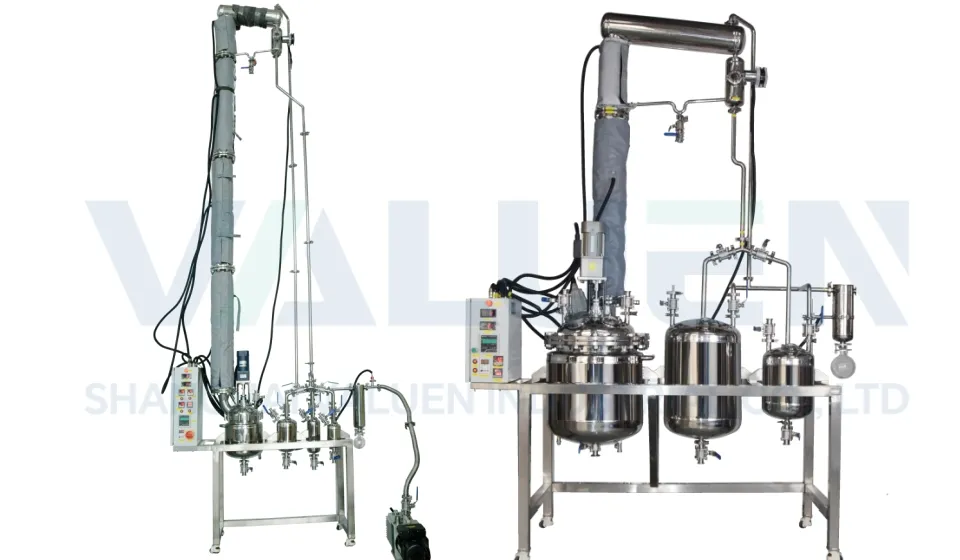
Industrial separation processes require equipment that delivers strength, efficiency, and dependable operation. The stainless steel fractional distillation equipment has become the benchmark for large-scale production across pharmaceuticals, chemicals, and petrochemicals. These advanced separation units offer outstanding performance characteristics, making them essential for processing high-volume materials while upholding strict quality standards. Manufacturing facilities worldwide rely on these rugged systems to achieve consistent product purity and maximize operational efficiency over demanding production cycles.
Expanded Application Areas – Essential Oils, Fragrances & Aromatics
Beyond traditional chemical and pharmaceutical uses, stainless steel fractional distillation equipments play a vital role in the production of essential oils, fragrance compounds, and aromatic ingredients. Key applications include:
Essential oil distillation – Separating volatile oil fractions from botanical materials such as lavender, peppermint, eucalyptus, citrus peels, and chamomile. Stainless steel's inert surface preserves delicate aroma profiles without metallic off notes.
Fragrance ingredient purification – Isolating high value terpenes (limonene, linalool, pinene), sesquiterpenes, and oxygenated compounds used in perfumery and personal care products. The corrosion resistance of stainless steel handles acidic citrus oils and reactive aroma precursors safely.
Aromatic solvent recovery – Reclaiming ethanol, hexane, or other solvents from botanical extraction processes (e.g., concrete and absolute production). Stainless steel vessels withstand repeated solvent exposure without degradation.
Fractionation of essential oil components – Separating crude essential oils into terpene fractions (top notes) and heavier oxygenated fractions (heart notes) to create standardized, high purity fragrance bases.
Natural isolate production – Producing single component natural aroma chemicals (e.g., eugenol from clove oil, menthol from cornmint oil) for use in flavors, fragrances, and cosmetics.
Superior Material Properties for Industrial Applications
Corrosion Resistance and Chemical Compatibility
A stainless steel fractional distillation equipment provides excellent resistance to chemical attack from aggressive solvents, acids, and bases commonly found in industrial environments. Grade 316L stainless steel—frequently specified for these applications—contains molybdenum additions that boost corrosion resistance, particularly in chloride-rich conditions. This strong chemical compatibility allows operators to process a wide variety of feedstocks without worrying about vessel degradation or contamination that could compromise product quality.
Unlike carbon steel or other metallic alternatives, stainless steel retains its integrity when exposed to varying pH levels and temperature swings. The passive oxide layer that naturally forms on stainless steel surfaces delivers continuous protection against oxidation and pitting. This inherent durability translates into longer equipment life and lower maintenance demands, making the stainless steel fractional distillation equipment a cost-effective choice for long-term operations.
Structural Integrity Under Operating Conditions
Large-scale distillation places significant mechanical stress on vessels from internal pressures, thermal expansion, and dynamic loads. Stainless steel offers an excellent strength-to-weight ratio, allowing the construction of robust vessels capable of withstanding these demanding conditions. The material's ductility prevents catastrophic failure modes, providing reliable performance even during unexpected pressure surges or temperature variations.
The uniform grain structure of properly processed stainless steel ensures consistent mechanical properties throughout the vessel walls. This homogeneity removes weak points that could lead to premature failure or operational disruptions. Furthermore, stainless steel's favorable thermal expansion characteristics minimize stress concentrations at welded joints and connection points, further boosting the overall reliability of the stainless steel fractional distillation equipment system.
The combination of cleanability, chemical resistance, and thermal control makes stainless steel fractional distillation equipments the preferred choice for essential oil and fragrance manufacturers who require batch to batch consistency and compliance with good manufacturing practices (GMP) for consumer products.
Industrial separation processes require equipment that delivers strength, efficiency, and dependable operation. The stainless steel fractional distillation equipment has become the benchmark for large-scale production across pharmaceuticals, chemicals, and petrochemicals. These advanced separation units offer outstanding performance characteristics, making them essential for processing high-volume materials while upholding strict quality standards. Manufacturing facilities worldwide rely on these rugged systems to achieve consistent product purity and maximize operational efficiency over demanding production cycles.
Expanded Application Areas – Essential Oils, Fragrances & Aromatics
Beyond traditional chemical and pharmaceutical uses, stainless steel fractional distillation equipments play a vital role in the production of essential oils, fragrance compounds, and aromatic ingredients. Key applications include:
Essential oil distillation – Separating volatile oil fractions from botanical materials such as lavender, peppermint, eucalyptus, citrus peels, and chamomile. Stainless steel's inert surface preserves delicate aroma profiles without metallic off notes.
Fragrance ingredient purification – Isolating high value terpenes (limonene, linalool, pinene), sesquiterpenes, and oxygenated compounds used in perfumery and personal care products. The corrosion resistance of stainless steel handles acidic citrus oils and reactive aroma precursors safely.
Aromatic solvent recovery – Reclaiming ethanol, hexane, or other solvents from botanical extraction processes (e.g., concrete and absolute production). Stainless steel vessels withstand repeated solvent exposure without degradation.
Fractionation of essential oil components – Separating crude essential oils into terpene fractions (top notes) and heavier oxygenated fractions (heart notes) to create standardized, high purity fragrance bases.
Natural isolate production – Producing single component natural aroma chemicals (e.g., eugenol from clove oil, menthol from cornmint oil) for use in flavors, fragrances, and cosmetics.
Superior Material Properties for Industrial Applications
Corrosion Resistance and Chemical Compatibility
A stainless steel fractional distillation equipment provides excellent resistance to chemical attack from aggressive solvents, acids, and bases commonly found in industrial environments. Grade 316L stainless steel—frequently specified for these applications—contains molybdenum additions that boost corrosion resistance, particularly in chloride-rich conditions. This strong chemical compatibility allows operators to process a wide variety of feedstocks without worrying about vessel degradation or contamination that could compromise product quality.
Unlike carbon steel or other metallic alternatives, stainless steel retains its integrity when exposed to varying pH levels and temperature swings. The passive oxide layer that naturally forms on stainless steel surfaces delivers continuous protection against oxidation and pitting. This inherent durability translates into longer equipment life and lower maintenance demands, making the stainless steel fractional distillation equipment a cost-effective choice for long-term operations.
Structural Integrity Under Operating Conditions
Large-scale distillation places significant mechanical stress on vessels from internal pressures, thermal expansion, and dynamic loads. Stainless steel offers an excellent strength-to-weight ratio, allowing the construction of robust vessels capable of withstanding these demanding conditions. The material's ductility prevents catastrophic failure modes, providing reliable performance even during unexpected pressure surges or temperature variations.
The uniform grain structure of properly processed stainless steel ensures consistent mechanical properties throughout the vessel walls. This homogeneity removes weak points that could lead to premature failure or operational disruptions. Furthermore, stainless steel's favorable thermal expansion characteristics minimize stress concentrations at welded joints and connection points, further boosting the overall reliability of the stainless steel fractional distillation equipment system.
The combination of cleanability, chemical resistance, and thermal control makes stainless steel fractional distillation equipments the preferred choice for essential oil and fragrance manufacturers who require batch to batch consistency and compliance with good manufacturing practices (GMP) for consumer products.


